The Journey of Grapefruit: From Barbados to the World
by Mani Skaria, Ph.D.
In the sun-kissed breeze of the Caribbean isle,
Where trade winds whispered through citrus groves with style,
A fruit was born in golden light—
A citrus gem, both bold and bright.
From pomelo’s depth and orange’s grace,
Came grapefruit’s flesh with a bittersweet face.
Barbados, the cradle of this tale,
Launched a journey that would set sail.
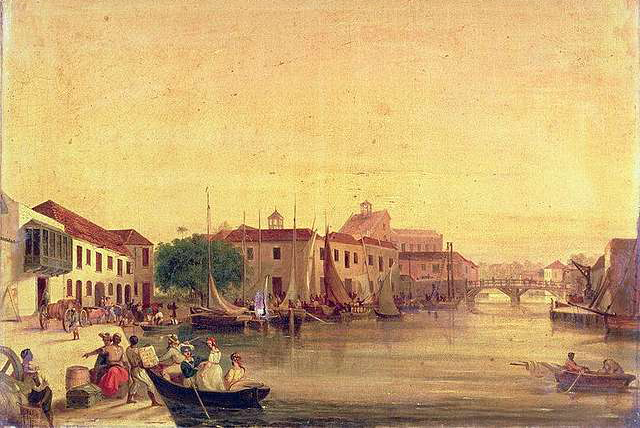
The story of grapefruit begins in 18th-century Barbados, as a natural hybrid of Indonesian pomelo and sweet orange, likely introduced via maritime trade. First documented in 1750 by Welsh naturalist Rev. Griffith Hughes as the ‘Forbidden Fruit,’ this new citrus captured attention for its size and flavor.
By the early 19th century, grapefruit seeds had reached Florida. Count Odet Philippe is credited with planting the first grapefruit trees in Safety Harbor in 1823. By the late 1800s, Florida’s climate proved ideal for cultivating this tart and vibrant fruit. Commercial growers like Kimball Atwood led the charge, and with the discovery of pink-fleshed varieties, such as Ruby Red in 1929, the industry blossomed.
Texas soon followed. By the mid-20th century, innovations from scientists like Dr. Richard Hensz at the Texas A&I Citrus Center introduced advanced varieties like Rio Red and Star Ruby—grapefruit with rich color, fewer seeds, and balanced sweetness. These cultivars cemented Texas as a powerhouse in red grapefruit production.
But grapefruit’s reach did not stop at U.S. borders. Its cultivation spread globally—to the fertile lands of South Africa, to the arid groves of Israel, to Turkey’s Mediterranean coast, and to India’s emerging citrus belts. In each region, the grapefruit adapted and thrived, bringing its health benefits and flavor to new audiences.
Today, grapefruit is not just a fruit—it is a story of global horticultural collaboration, scientific advancement, and market evolution. From its humble beginnings on a Caribbean island to its vibrant life on five continents, grapefruit’s journey reflects the very best of agricultural innovation and nature’s wonder.