Planting Gratitude: The Bicycle I Never Bought
Insight #4
“Gratitude is not spoken—it is cultivated in labor, watered with sacrifice, and harvested in love.”
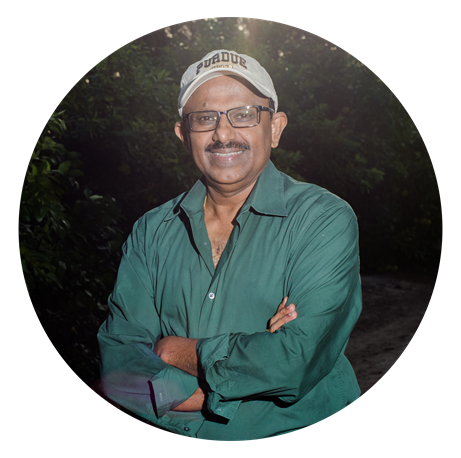
Author: Mani Skaria, Ph.D.
Professor Emeritus, Texas A&M–Kingsville
President & CEO, US Citrus
Production Date: August 31, 2025
Narrative
Growing up in Kottayam, Kerala, I was part of an agricultural family that valued frugality and hard work. We had a man named Kunju Kochu Chattan—KKC for short—who worked for us as a kind of foreman. He wasn’t related by blood, but he was always there, managing the fields and guiding us through the rhythms of farm life.
When I was about thirteen, I desperately wanted a brand new bicycle even though I already owned an old one. I went to my father and asked if he could buy me a new bike. He immediately refused, saying that one bicycle was enough and that he didn’t have the money to spare. I knew he could afford it; he was simply conservative with his spending. His response stung. I thought about asking my mother, knowing she might indulge me, but my father’s challenge stayed in my mind. He said, ‘We just harvested the rice field. It’s summer now. You could grow vegetables there and, if you sell enough, you can buy a bicycle yourself.’
At first, I was offended. Planting vegetables was farm work, something I considered beneath me at the time, and I worried about the shame of being seen out in the field by classmates, especially the girls who passed by on their way home from school. Still, I couldn’t shake the idea. Eventually, I accepted my father’s challenge. I enlisted KKC’s help. He knew everything about the land and how to get the most from it. Together we planted several kinds of vegetables in the rice field and dug a shallow pond to irrigate them. We even devised a simple engineering solution to deliver water from the pond: we cut an arachnid tree trunk in half and used it as a pipeline, a trough that carried water from the pond to where the plants were. We tended the plants daily. I overcame my embarrassment, trusting his guidance.
The vegetables grew well. By the end of the season, I had earned enough money to buy not just one bicycle, but three. Yet by then the desire for a new bike had faded. I realized I didn’t need it; the work itself had been fulfilling. I learned more about patience, pride, and the value of labour than I ever expected. A lot of that was thanks to KKC’s steady presence and knowledge.
In the years that followed, KKC continued to serve our family as a foreman, but he never earned enough to live comfortably. He had his own family and children to support and carried debts that weighed heavily on him. Even after I left home and lived abroad, I stayed connected through my mother. I made sure to send money to help pay off his debts, repair his home, and ensure his family was looked after. When he passed away, I arranged for him to have a dignified funeral. It felt like a small repayment for everything he taught me as a boy, but it came from a deep sense of gratitude.
These kinds of experiences paved the way for my entrepreneurship decades later.
The Insight (Key Takeaways)
• Challenges from family can spark resilience and independence.
• Practical lessons in agriculture and hard work shape lifelong values.
• Mentors like KKC leave lasting imprints through guidance and quiet service.
• Gratitude is best expressed through actions that honor past sacrifices.
Applications
For Parents: Encourage children to earn what they desire; it teaches resilience and creativity.
For Young People: Don’t shy away from hard work—it often yields more than material rewards.
For Communities: Recognize and support those who labor quietly in the background.
For Leaders: Inspire by challenging others to grow, not by giving easy answers.
Quotes
Dr. Mani’s Quote
“True gratitude is not spoken—it is planted, nurtured, and repaid in deeds.”
Famous Quote
“Gratitude is not only the greatest of virtues, but the parent of all the others.” – Cicero
Reflection Questions
• What was a childhood challenge that helped shape your values?
• How do you express gratitude to those who supported you quietly?
• What lessons from hard work or farming still influence your life today?
• Who in your life deserves recognition for their sacrifices and steady presence?
Closing Note
This story is not about bicycles—it is about gratitude. The foreman KKC taught me that dignity in labor and guidance in youth shape who we become. May we all remember to repay those debts of gratitude, not with words alone but through thoughtful action.
Tagline
“Gratitude grows best when planted in the soil of hard work.” — Mani Skaria
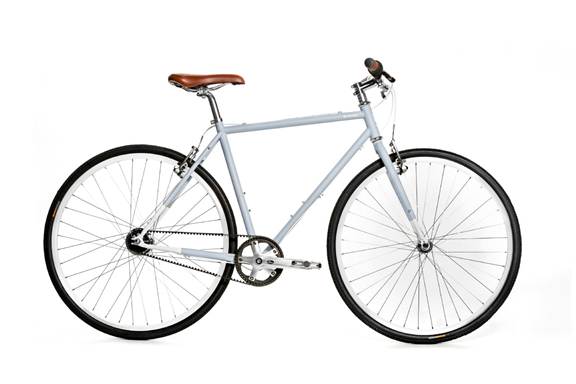
“The richest bicycle I ever owned was the lesson of gratitude I rode into life.” — Mani Skaria