Why Should You Invest in Your Planet?
by Mani Skaria, Ph.D.
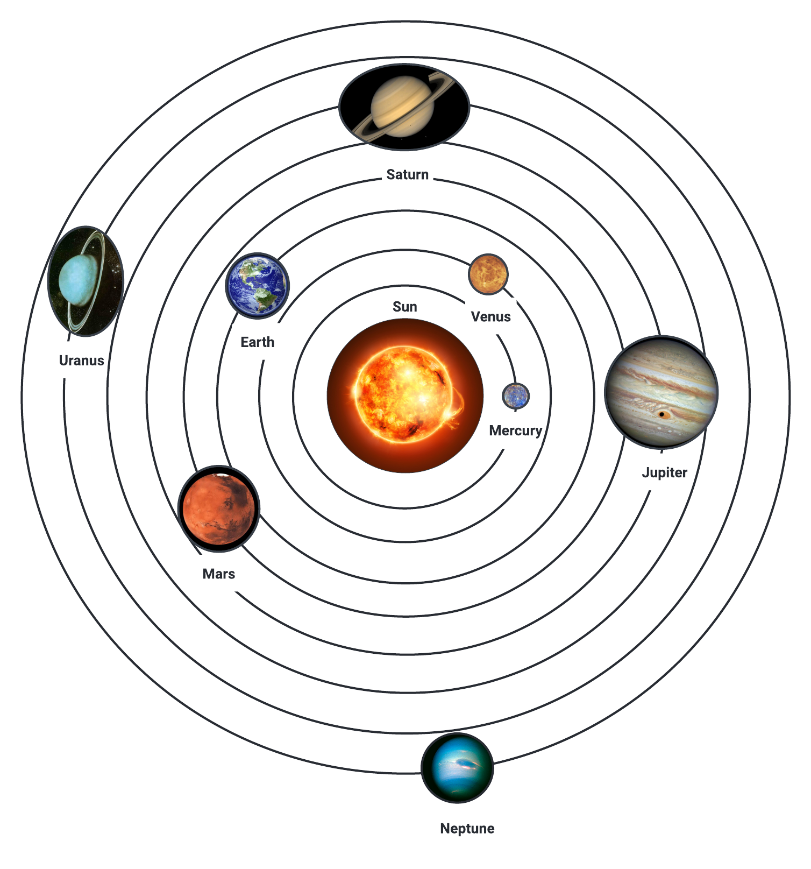
Ancient Greeks described stars in the sky that were visible to the human eye. They found the stars moved; the Greeks described them as wandering objects. In Greek language, the term for wanderer is planetes. Ancient Greeks identified five naked-eye planets — Mercury, Venus, Mars, Jupiter, and Saturn. The names in Greek are Hermes, Aphrodite, Ares, Zeus, and Cronus, respectively. Thanks to our planet, EARTH.
Our planet, EARTH, has mountains, rivers, oceans, forests, buildings, airports, schools, and universities, and more. Almost three-quarters of the planet Earth is water, as we see when we take intercontinental flights.
Earth is about 4.5 billion years old. Remember, there are nine zeros in one billion (4,500,000,000). Today may be the first time in your life you are meeting such an old object that is old and so naturally associated with your own life.
Aging is a process of growing old; and 4.5 billion years is not young. When people get old, we take care of the elderly – we are obligated to do it. The United States of America has a government program that administers a social insurance program for the retirement of senior citizens, their disability and survivor benefits. From the day I started working, I started investing in the social security retirement pool for others. I draw its benefits, but actually my benefits came from other people’s contributions prior to my contributing.
The mean temperature of planet Earth is 59°F or 15°C. The surface temperature of the sun is 5,778 Kelvin (5,504oC). We escape the high heat because of two situations:
- The distance between the earth and the sun is 92.752 million miles, and
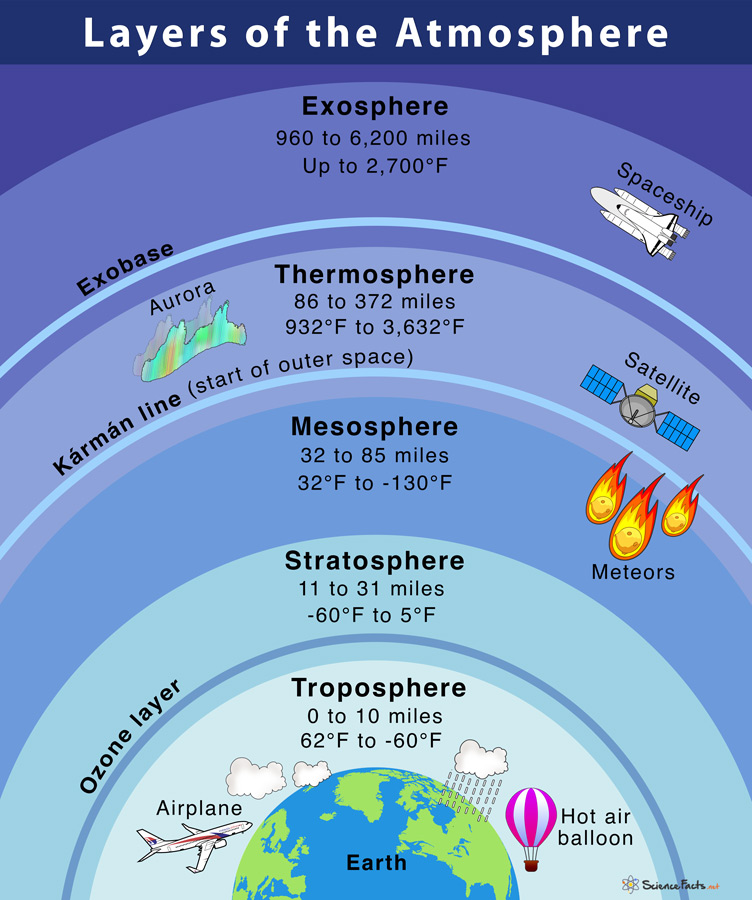
- The Earth has an ozone shield as its second layer that absorbs most of the heat and UV light.
We live on the outer layer of the earth, called the crust, with a thickness of up to 60 km. The crust is a solid rock layer – continental crust covers the land, and oceanic crust covers the sea.
Scientists have reported a phenomenon called ozone depletion. It is the gradual thinning of Earth’s ozone layer (see figure 2) in the upper atmosphere caused by the release of chemical compounds containing chlorine or bromine from human activities. The thinning is most pronounced in the polar regions, especially over Antarctica. Chlorine and bromine atoms could destroy ozone in contact at the rate of one chlorine atom for 100,000 ozone molecules. One chlorine atom can destroy over 100,000 ozone molecules.
World leaders and scientists agreed to STOP or LIMIT the use of ozone-depleting chemicals in human activities. This agreement is known as the Vienna Convention for the Protection of the Ozone Layer (1985) and the Montreal Protocol on Substances that Deplete the Ozone Layer (1987).
Everyone is morally responsible for participating in Investing in Our Planet Earth.
 We should do it for the survival of humankind.
Plants absorb toxic substances and filter air, providing life-giving oxygen, thereby offsetting the greenhouse gas effect. Carbon dioxide (CO2) is the number one greenhouse gas pollution, followed by methane (CH4) and nitrous oxide (N2O) – all released from fossil fuel use.
Another way of honoring planet EARTH is by reducing the use of human activities that create ozone-depleting chemicals. This is a process that takes awareness and constant education.
Planting a tree is a step in the right direction.
Let’s do our part in the southern tip of Texas, latitude 26o north of the equator.
This program on April 22, 2023, is brought to you by the 24 USA Sea2 Sky Project Presentation honoring Earth Day 2023. The project coordinators are Madhu Kottarakara and Neena Prabhakaran, New Jersey. With support from the Malayalee Association of Rio Grande Valley and Region One Education Center, Edinburg, Texas.
“The earth is my mother, and on her bosom I shall repose.”
-END-